Predicting the Ballon d’Or is the same job as a customer survey
100 journalists, one from each of the top 100 countries in the FIFA ranking, each rank 10 players out of 30. Take the football out of it and that is a ranking survey with a fixed sample and a weighted score. So we built the jury as a synthetic audience, ran the ballot, and put the podium out on 9 September. The ceremony is on 26 October.
Ballon d’Or 2026
The podium
The real jury is one journalist per country. We built the same 100 and ran the ballot.

One different voteswaps them
Why football
Most of what we run is consumer goods work and it stays with the client who paid for it. The Ballon d’Or is public in every direction. The jury is named. The rules are published, and the result lands on a fixed date in front of a television audience. It is one of the few places we can show the machinery running end to end.
We set out to name the favourites and get the top 3 right. That was the whole scope of it.
How the vote works
Worth a minute even if you never watch football, because the shape of it will be familiar to anyone who has commissioned a study.
Players nominated, published as one list before voting opens.
Journalists, one per country, from the top 100 nations in the FIFA ranking.
Names each juror ranks in order of merit, out of the 30.
Points handed out in total. Each ballot is worth 67 of them.
Points by ballot position
Ballot position, one to ten
Jurors weigh individual performance first, then the team’s season and what it won, then class and fair play. The window this year ran from 3 August 2025 to 19 July 2026, so a World Cup summer sits inside it.
Where the two line up
The same rules, read with a research eye.
| Ballon d’Or | Quantitative research |
|---|---|
| 100 journalists, one per country | An audience built to a spec |
| 30 nominated players | The things you are testing |
| Rank 10 of them in order | A ranking question |
| 15, 12, 10 down to 1 point | A weighted score agreed up front |
| A winner and a full table | A headline answer and everything under it |
Swap 30 footballers for 30 pack designs, and 100 journalists for 2,000 shoppers in the UK, and you are looking at the same instrument.
What we did
We built 1 agent per voting country. Every agent then got what a real juror gets: the 30 names, and what each of them did over the season under review.
The context each agent works from is the same context a juror has, and it stops where a juror’s stops. What all 30 did for their clubs and for their countries across 2025-26, the trophies that season produced, where the teams finished. Nothing from earlier seasons, and nothing from after the window closed on 19 July.
Each agent ranked 10 and wrote down why. We added up the 100 ballots under the official scoring and read off the table. The run took minutes, and nothing in it came from a client dataset.
What came out
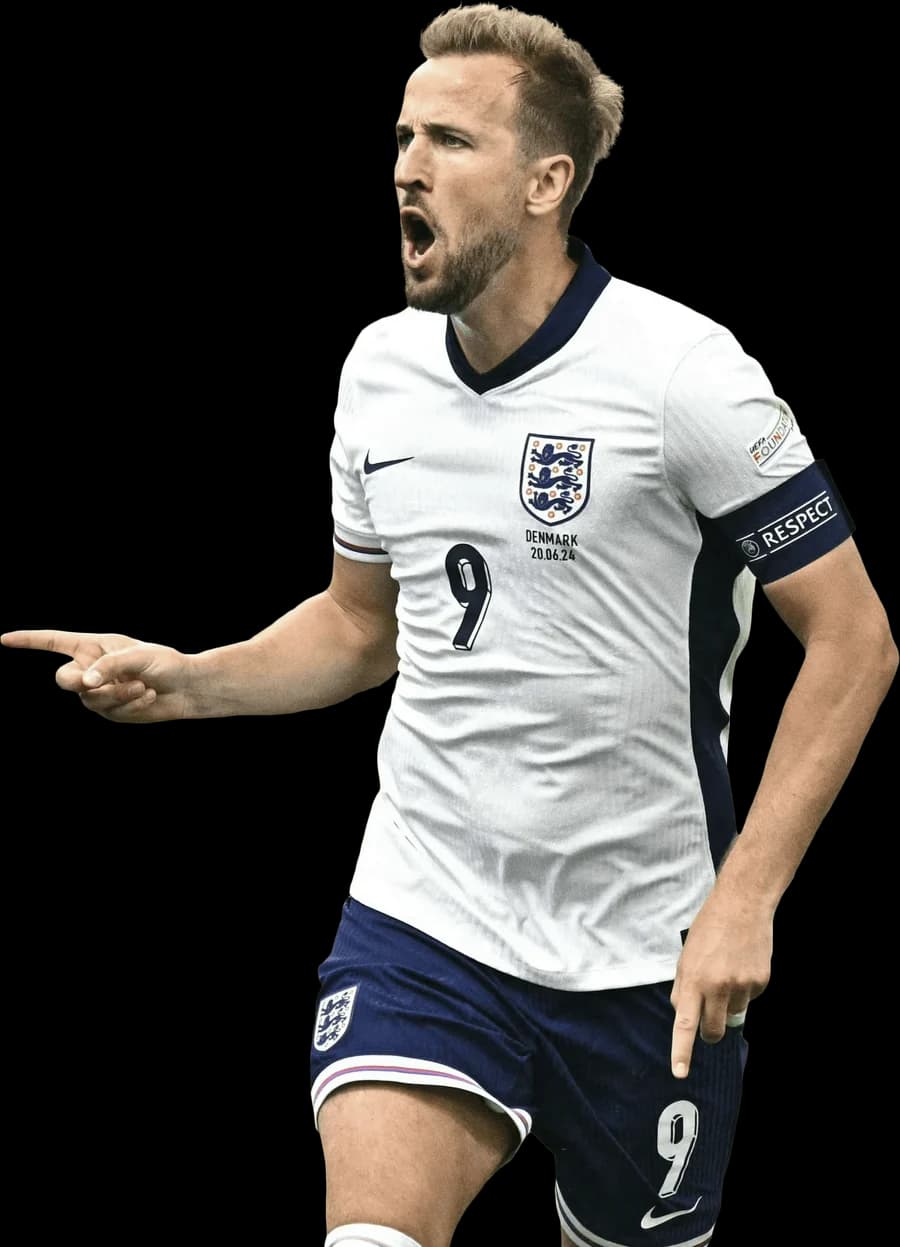
Kane wins on 1,381 points and there is not much argument about it. 73 of the 100 ballots put him first.
Mbappé and Yamal come out 12 points apart, out of 6,700. 12 points is what a juror hands over for a single second place, so one vote made differently would swap them.
The order on its own looks like 3 settled positions. The points show one that nothing is going to shift, and two that could go either way.
What this has to do with consumer research
The jury was an awkward group to put together. 100 people, one per country, each with a job and an outlet. The award’s own rules set that shape. We matched it because the audience is part of the brief rather than something fixed at our end.
Most commercial questions want something plainer. Shoppers in the United States who look like the country does. People who buy chilled dairy in Italy. Households across the 5 largest European markets. Those are built from official statistics, so a study can start the day you ask for it, with nothing of your own to hand over first.
It also takes minutes, which is the part that changes behaviour. Plenty of questions never get asked because asking them properly costs a month. Those are the ones we are here for.
Have a question you would put to an audience?
Tell us who needs to be in the room and what you want to ask them. We will show you what comes back before you commit to anything.
Book a call →Related
The Neutrality Initiative fails in our synthetic Switzerland
5,220 synthetic Swiss voters answered the ballot question 11 days before the vote.
No to a Switzerland of 10 Million
A forecast published 13 days before the federal vote, built from a synthetic Swiss electorate rather than polling.